Editing

We are going to edit together the footage we have, mostly of the answers to the interview questions, and just to craft a narrative out of that. Its going to be all our own footage.

Its proving quite difficult to try and form something coherent however. I’ve been tasked with editing the opening together, about why people like brighton beach, and I’m struggling to find which direction to go with.

I’ve edited combining shots of the beach, with inter-placements of the interviews in between and also just having beach shots with the interview audio over – but neither seems to be fully working. shall keep trying.

Initial Filming

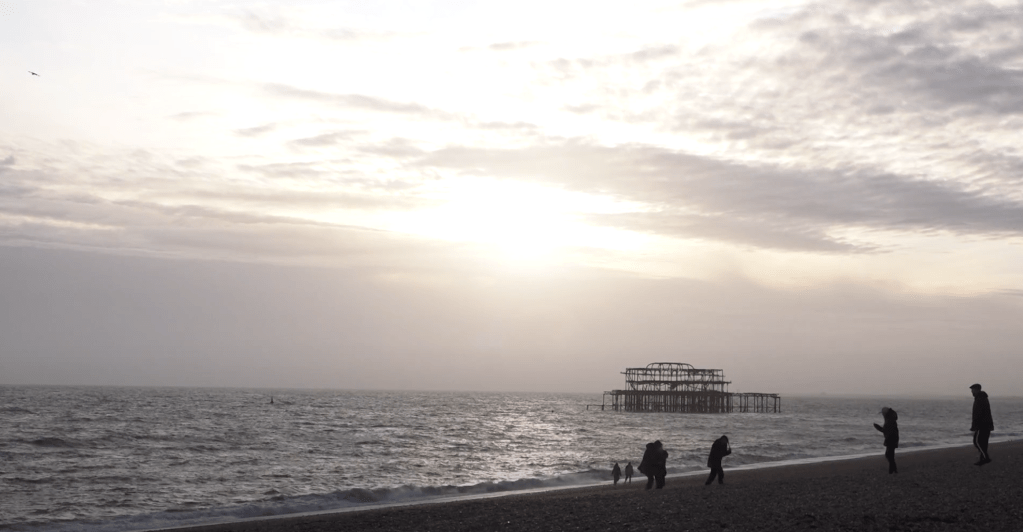
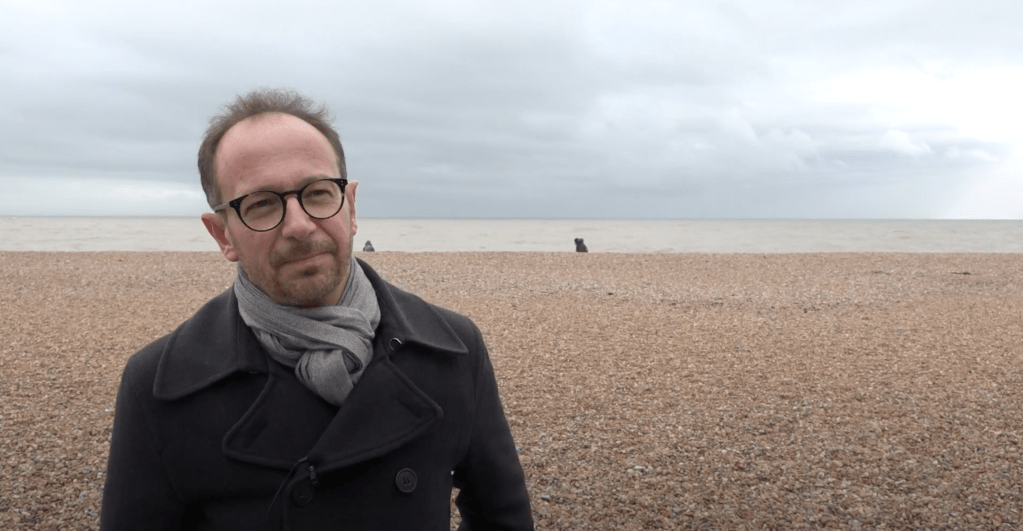
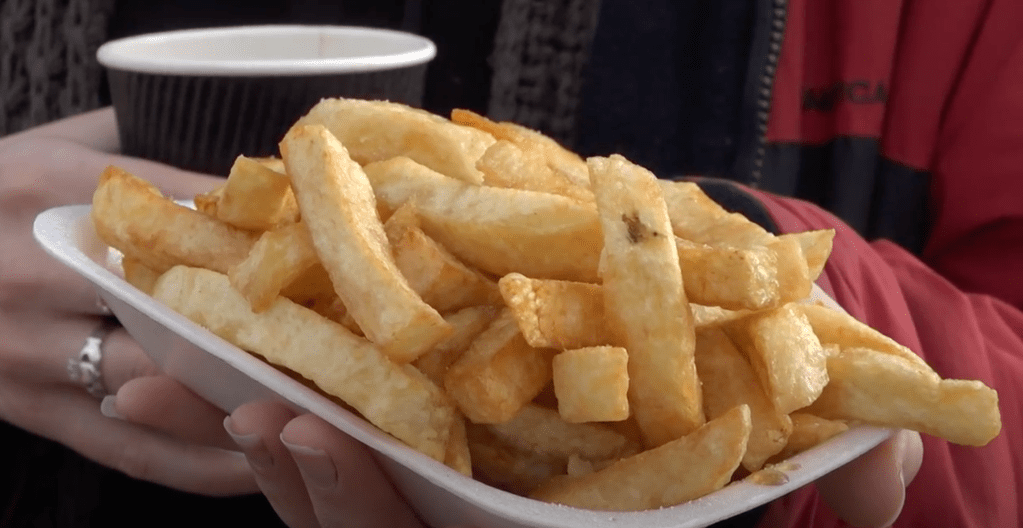
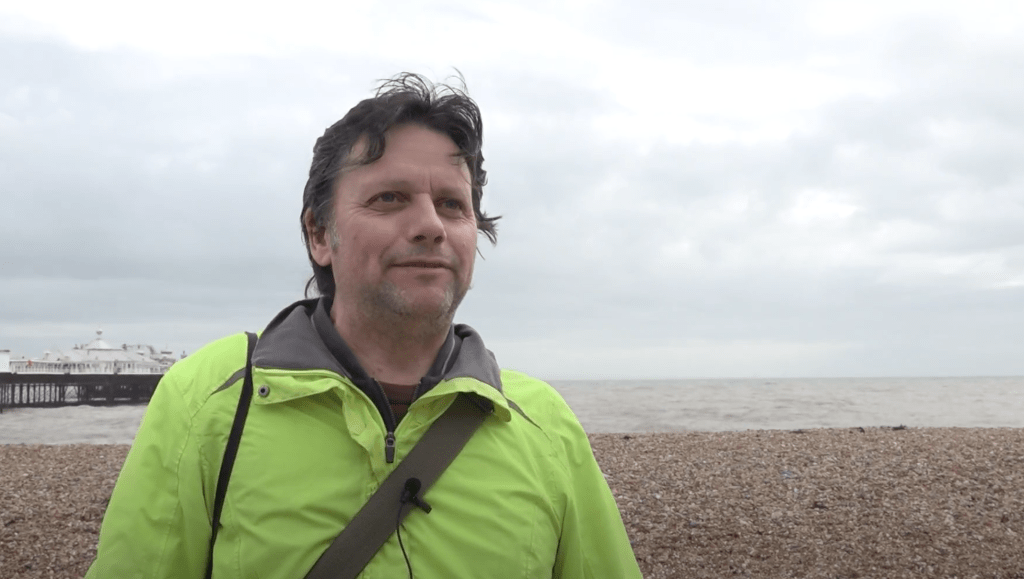
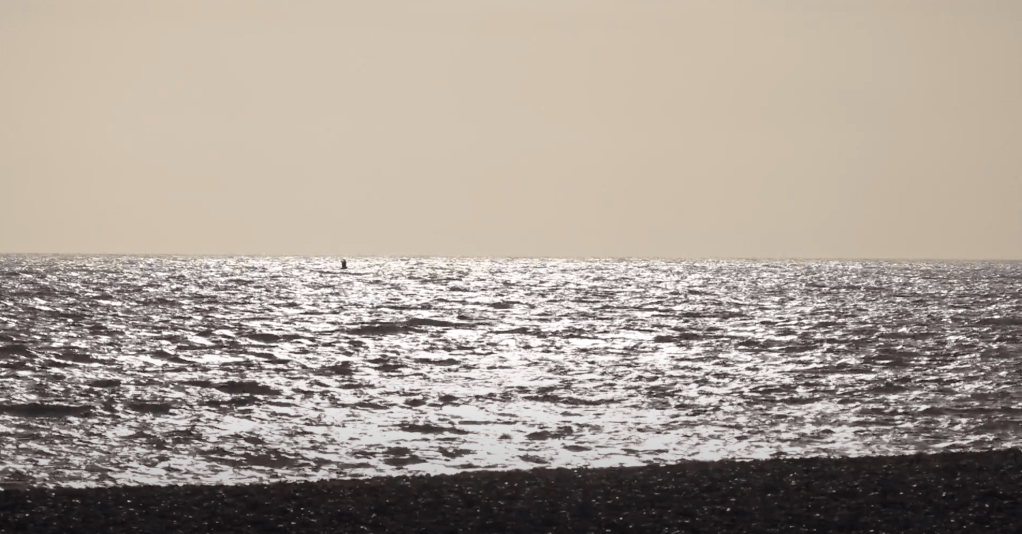
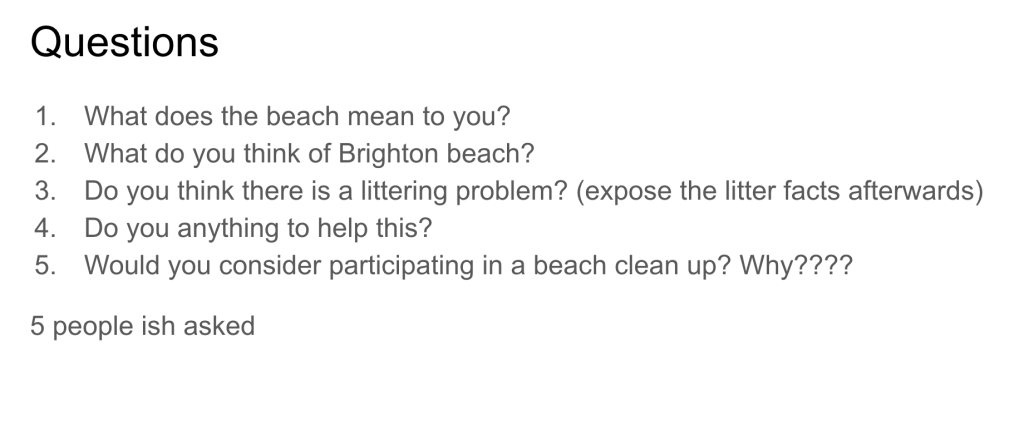
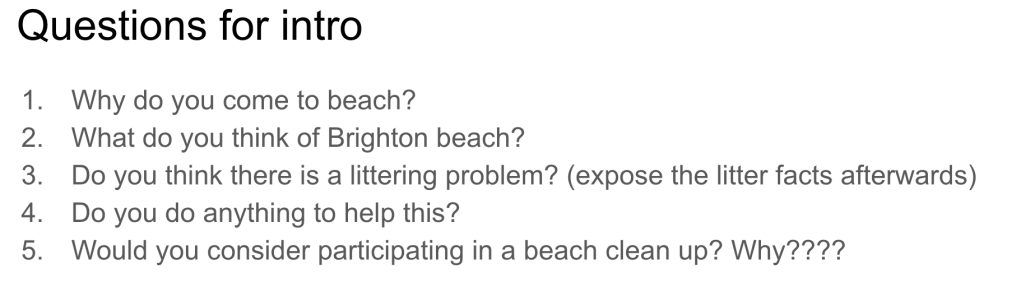
This weekend, we took the cameras out to start filming near Brighton Beach. Our aim was to take establishing, cutaway footage of the sea, beach, pier, people etc. And also, if we could, interview a few people, asking these questions:

On both days, it was a clear and sunny, with the beach being relatively busy – which made it perfect for what we had happened.

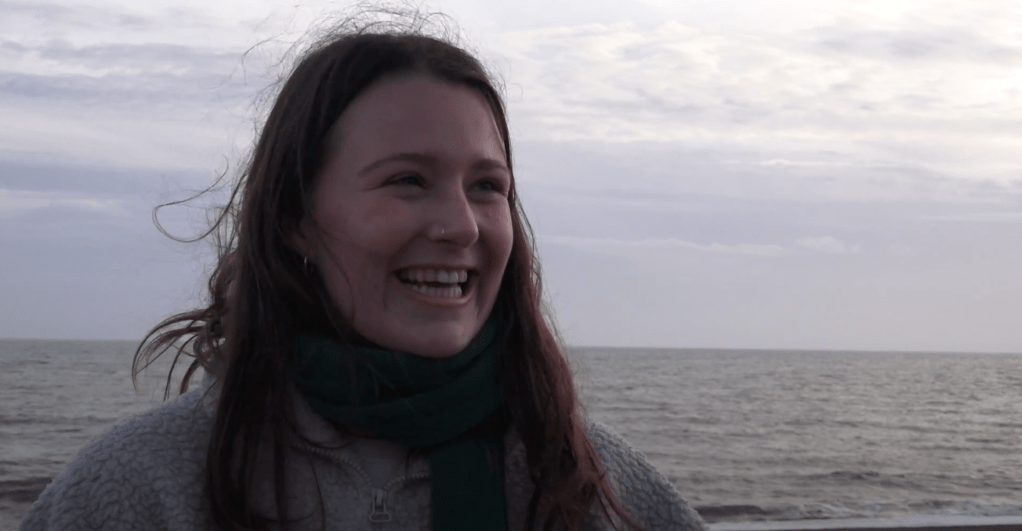
At the end of the weekend, we managed to get ALOT of cutaway footage, hopefully enough that we wouldnt have to return to get more. We also managed to interview around 8ish people? which was alot more than we expected (all thanks to Ben and his confidence with talking to strangers). On the whole, it was a successful first filming, even if we had some difficulties with setting up the microphones and a few rude people when we approached them.

(The footage is also salvageable as well, after looking through it all, with no clear issues with audio or technical visual aspects)

‘The Beach’

My group met up and we talked about the ideas we had gathered from our independent research/brainstorming. These concluded some initial ideas surrounding narrative and visuals.

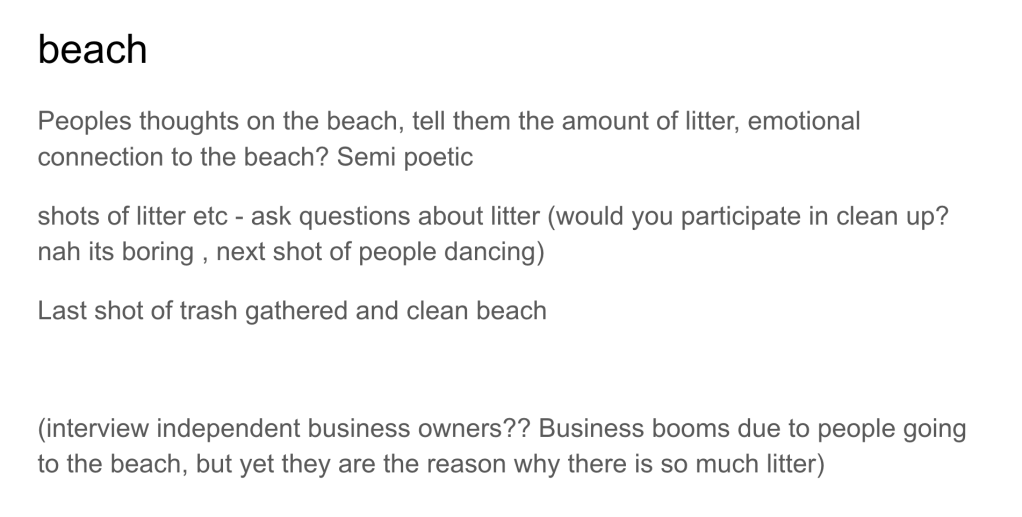
My thoughts mainly surrounded how we could investigate the negative and positive impacts the public have on the beach – aka although beach littering is at an all time high, the public also brings in tourism and business to independent shops near the beach. Our exploration could be a back and forth between these two aspects.

This ended up being the main narrative we are initially going to explore.

Idea situation

When planning for our presentation this week, we began to become unsure of our initial idea. The narrative was very unclear and none of us felt interested enough to believe the documentary could become something we enjoyed creating. So, we began looking instead into ‘The Disco Bunny’ – a man we have all seen around Brighton before. He dances in the street, in very minimal clothing, to catch attention and confidently express himself. He is quite a character, and there is alot of information surrounding his reasons behind doing it online. He’s also faced alot of abuse whilst performing, which could lead to a narrative similar to the diabetes documentary we watched in class – that led to a narrative reveal where the main character wasnt exactly like the image they portrayed to the world. Here are the presentation slides we briefly compiled on our initial ideas.

However, when we met Peter – he basically said The Disco Bunny is controlling and self-absorbed, and the idea had been done many times before, yet never really turned out well. He prompted us to continue with our initial idea, but perhaps change it to a focus on the beach as a Brighton Place. He left us to consider the namesake of the beach, the business surrounding it, who owns the beach?, conspiracies surrounding other beaches and the divide between human vs nature prominent on beaches. Overall, he basically gave a complete new light to our idea and saved us completely.

After this session, my group has decided to go away and independently research some new ideas surrounding the beach, and specifically read ‘Reading The Popular: Reading The Beach’ by John Fiske, as recommended by Peter.

Session 4

a) evaluated our pitch idea

obviously pier 2 pier is not a place or person, so we had to consider how to base the idea around to meet that criteria. thinking either base it on a beach cleaner, the founder of the organisation, someone attending one of the beach cleans, or maybe it could even be interesting to find someone against the idea all together? first step towards this is contacting the founder or posting on the organisations facebook page, to find a worthy subject

b) looked at composition’s essential for filming

i have previous knowledge of composition within a shot from doing photography last term and moving image at a level. but peter really pointed out the importance good composition has on viewer understanding and process. he showed thorough examples of how compositions work together, and really emphasised the point of planning out our shots before filming !!!!!

on the whole however, i found this session really stimulating – definitely came out afterwards feeling like my brain had actually done something. am a bit scared and worried about whether our film is going to turn out ok, and if we’re going to find a good person to base it on, but hopefully this week my group will take strides towards this.

Pier 2 Pier

Our vision is for a cleaner world, where communities are empowered to come together and take positive action to tackle marine pollution and protect the natural environment.

Pier 2 Pier is a silent disco based beach clean, which works to inspire the community to tackle marine pollution in an active and fun way. The organisation was founded by Amy Gibson, a Brighton local, and the organisation has been really successful since opening in 2017. They have managed to remove over 2000kg of litter from the beach, with the help of over 6000 people.

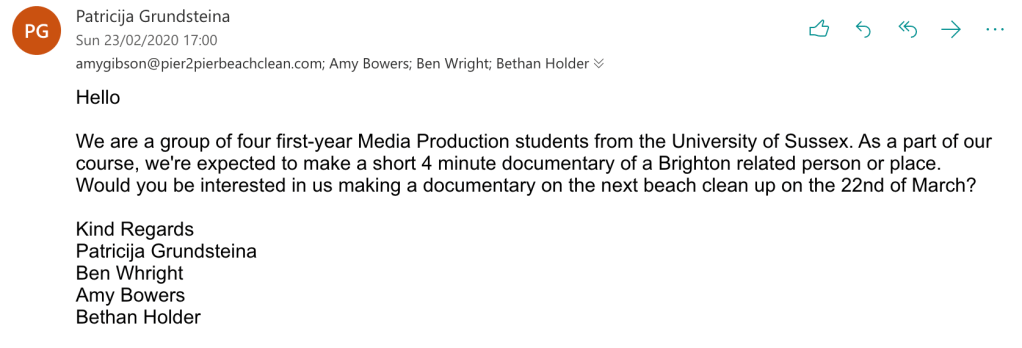
The organisation hosts several opportunities to get involved with the beach clean. These range from action days, available to companies and teams to work together in cleaning the beaches. This is a payed for package. The other option available are the monthly free cleans, open to all. These take place from the West Pier to the Palace Pier. The next date of this is Sunday March 22nd. This is likely to be the one my group will focus on.

I think my groups first line of action would be to contact the founder, Amy, herself through the email found and provided on their website. From there, we could see if it would be possible to film at their next beach clean and perhaps have an interview with the founder. An essential we need to cover however is how our narrative is going to flow. Are we going to cover a beach cleaner or someone attending the clean up for the first time? These are things we need to consider.

Session 3

In this session, we pitched our individual ideas to the group to decide what our documentary was going to be about. I gave out the idea of Pier2Pier, which was recieved quite well from the rest of my group, and it seemed we shared a mutual enthusiasm for the bases the topic could cover.

Other ideas from my group memebers included an expose on the Marina in Brighton, where one of my group is really familiar with the security guards there. Apparently, they have some funny and shocking stories to tell about people and incidents that occur there. Another member of my group proposed looking at an Ex-Sussex grad who decided to become a stripper. It seemed like such a facisnating topic to potentially cover, and I was already intruiged by the subject. Our main difficulty however, came with the fact when my team member contacted her, the girl asked for money in payment for the potential documentary. Obviously, this is a huge economic issue for us, and meant the documentary seemed far out of reach.

In the end, after discussion, we chose to base ours on Pier2Pier. I am looking foward to finding out more about this organisation, as it is a topic I am so passionate about. However, I obviously need to consider how to stay objective, and present all sides of the potential environmental documentation.

For the rest of the session, we carried on with our short practice film. Before heading out for the practical, we learnt how to navigate sound. This meant exploring the different microphone options, from the Sony Radio Mics (which are much more convenient and easy to use, due to their smaller size) to the Sennheiser ME66 (a larger boom microphone, that although properly has better quality, is definitely more difficult to carry around). This week, we had to produce interviews, so the Radio Mics were better suited.

We managed to catch one person on their way into the Co-Op, who agreed to answer some questions about the prices and their personal thoughts on the shop. They provided some great content, which is perfect for our documentary.

Individual Proposal

To find ideas for my Individual Creative Project Proposal, I began by looking up on the internet various places in Brighton that have caught my interest. I went on websites such as Tripadvisor, BrightonJournal and VisitBrighton to further gather various inspiration and information.

I knew I wanted to explore a subject matter close to areas I am passionate about or really excited by, so I kept an eye out for these during my research. I chose to stray away from researching people in Brighton as my project base (save a quick google at famous Brighton people) as I thought this would be harder to access in the time possible. People prove much more difficult to form an emotional connection to than places, so our documentary could end up being a bit lifeless.

These are a few places I singeled out in my research.

Duke York’s Picturehouse – This Brighton based cinema is considered on the oldest purpose-built cinema, that is still running to this day, after opening in 1910. I think this would be a really interesting subject to cover in a documentary, as there is alot of rich history behind it. It’s a place that seems to hold a special heart in alot of peoples hearts as well, with emphasis on the joy of nostalgia. I also find the subject fascinating myself, as I have a huge love for the cinema. Perhaps to create a more compelling ‘story’, the documentary could focus on commercialisation, and the divide between modern cinemas and old cinemas.

Pier2Pier Beach Clean – Pier2Pier is a beach clean on the sea front in the form of a silent disco, looking to inspire and motivate people to protect the environment and tackle marine pollution through the form of dance. I think this would be such a good documentary due to the rise in public awareness over environmental issues, and the importance tackling climate concern.

Lucy&Yak – A clothing brand based in Brighton, that works to ethically produce clothes and socially provide a healthy working environment. It could be compelling to look at how their clothes are made, and what conscious choices they’ve made to improve their overall ethos. Or on the other hand, it could be a comparative documentary between this fair and equal working-place juxtaposed against somewhere that only pays minimum wage and discards its employees rights – such as Laura Ashley and Jd Sports. (https://www.mirror.co.uk/news/uk-news/revealed-ten-worst-companies-work-10740098)

Tunnels under Brighton – When researching areas in Brighton, I came across the secret tunnels underneath Brighton, near the Pavilion. They were famously used in WW2, for smuggles and protection from air raids. Now a days, it is accessible to visit on ghost hunting tours, which I think would be really entertaining to document. As I hadn’t know about these tunnels before as well, the documentary could work for others to educate and provide information.

In the end, I think for my project pitch I have chosen to go with Pier2Pier. Mainly, they deal with key environmental issues, which is a subject matter I am extremely passionate about myself. It also holds relevance in mainstream media issues today, and is overall a subject that deserves more recognition. By covering Pier2Pier though, we are able to access and address environmental issues of today, but are localising it to a specific area, making the topic more accessible and easier to manage.
Developing Story Ideas

Reading – Directing the Documentary by Michael Rabiger

Potential ideas are all around, you never have to wait for inspiration

Story Discovery Story Development
Use play, imagination, and intuition to look for subjects Logically analyse, test, and structure the material to improve
the tale it takes on screen

HOW TO COLLECT IDEAS

  • Journals – note down anything that strikes you, will be able to identify patterns and themes, preoccupations, through this
  • Newspapers and Magazines – Keep clippings or transcribe anything that catches your attention and interest, by categorising them aswell it highlights fascinations. Also, local newspapers are super helpful! With each source, new characters, stories, plots and situations arise
  • Internet – various websites, such as craigslist as provided example, branch ways to stories and people of interest
  • History – WHY someone has wrote that historical overview or that point of view, look at local history or people recreating local history
  • Myths and Legends – every culture or community, even families, have a sense of myth and legend or stories to tell, show what humans find fascinatingly insolvable
  • Family Stories – stories told throughout generations hold not only personal meaning, but can also provide such rich tales, they can be dark, heroic, but as oral history they are always vivid (or they dont survive)
  • Childhood Stories – people remember childhood stories for as long as they live, they have rich theamtic possibilities
  • Social Science and Social History – depending on what interests the individual, its easy to find bibliograhies based on personal/general experiences in certain situations, up to observation and interpretation, draw on proffessional work to explore original feelings and instincts
  • Fiction – novels and short stories offer inspiring guidance and knowledge, superbly observed forms of work

TESTING A SUBJECT

  1. Do research and self questioning, ask – In what area am I most knowledgable and opinionated? Is there an aspect I could cover well? Strong emotional connection to subject? Justice to the subject? Drive to learn more about this subject? Look for interest, energy and excitement, as well as a strong desire to learn more
  2. Narrowing the subject matter (consider ecomomic factors, inaccesiblity, capabilities) and intensify the idea by questioning: The subjects underlying significance? What would you like to discover? Unusual or interesting about it? What can I show? Think small, local, and short!
  3. What is trying to be accomplished? How can the stakes be raised to show a more compelling story?

USING THE MEDIUM TO STIR FEELINGS

  • The shock of recognition and emotions
  • Primary evidence should be feelings and doing, not just telling
  • Lecturing lacks impact, visuals and imagery are emotionally stimulating – create cinematic qualities within the work
  • Create a strong mood!
  • Make it thematically large – find localised material and find the universal truths within

SUBJECTS TO AVOID

  • Worlds you haven’t experienced or cannot closely observe
  • Any ongoing issues in your personal life
  • Nothing ‘typical’
  • Preaching of any kind
  • Problems you already have an answer for

I found this reading really interesting and it has helped me begin to consider how I can develop any initial ideas I have. I definitely think this is a list I will return to throughout the project, or even further films I make in the future. It makes some really thought provoking points which allow your ideas to creatively and wholly develop into something worthy.

Design a site like this with WordPress.com
Get started